Mini-split Maintenance in Bradfordville, FL

Bradfordville mini-split maintenance guidance outlines proactive, climate-specific care to sustain performance and indoor air quality. The guide covers seasonal tasks such as filter cleaning, coil and condensate inspection, refrigerant checks, electrical safety, and airflow verification, with emphasis on pollen-heavy months and high humidity. It details diagnostic steps, common local issues, recommended service frequency, and membership options to fit different usage patterns. Regular professional maintenance reduces breakdown risk, extends equipment life, and helps homes stay comfortable year-round in Bradfordville, FL.
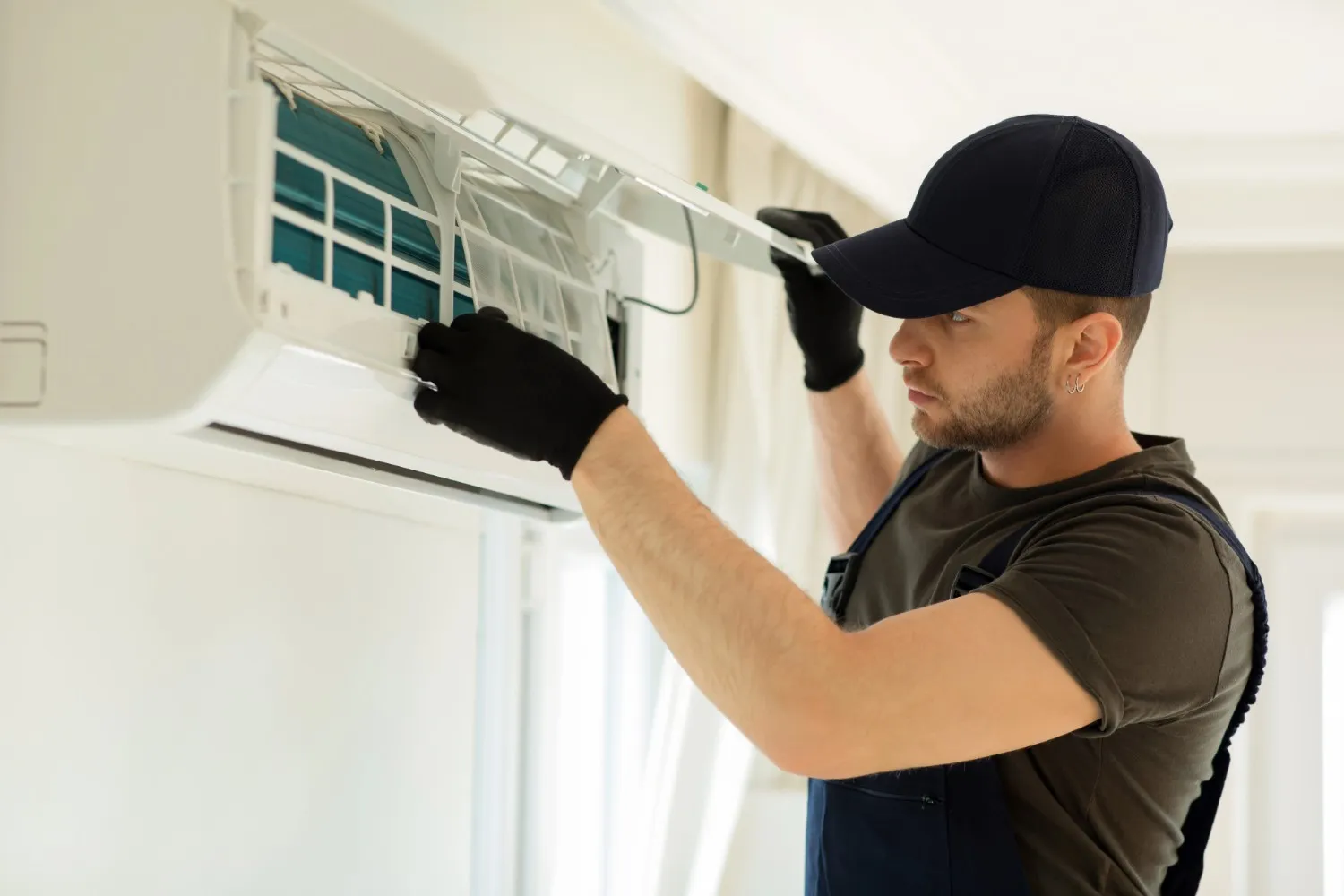
Mini-split Maintenance in Bradfordville, FL
Keeping your mini-split system tuned and healthy is essential in Bradfordville, FL, where hot, humid summers and heavy seasonal pollen put extra strain on ductless HVAC equipment. Regular mini-split maintenance preserves cooling performance, prevents costly mid-season breakdowns, and improves indoor air quality in homes that often run their systems almost year-round. Below is a clear, expert guide to the maintenance tasks, common issues we see locally, recommended service frequency, and membership options tailored for Bradfordville homeowners.
Why seasonal mini-split maintenance matters in Bradfordville, FL
Bradfordville’s warm temperatures and high humidity increase the likelihood of condensate issues, mold growth, and reduced efficiency if a mini-split is neglected. Spring pollen and summer storms add dust and debris to indoor and outdoor units, while frequent runtime accelerates wear on electrical components and fans. Preventive maintenance helps your system handle local climate stress and keeps your cooling consistent when you need it most.
Common mini-split problems in Bradfordville homes
- Reduced cooling capacity or uneven room temperatures
- High indoor humidity or musty odors from mold in the drain pan or coils
- Water leaking from the indoor unit due to blocked condensate drains
- Frozen evaporator coils caused by restricted airflow or low refrigerant
- Loud or unusual noises from fan motors, compressors, or mounting hardware
- Higher-than-normal energy bills due to fouled coils, dirty filters, or refrigerant issues
- Short cycling or frequent on/off operation because of sensor or electrical faults
Understanding these common issues helps pinpoint which maintenance tasks matter most for local homes.
Seasonal maintenance checklist — what we inspect and service
Regular maintenance focuses on components that most affect performance and reliability. For Bradfordville homes we emphasize moisture control, debris removal, and HVAC protection from heavy pollen and humidity.
Spring and fall checklist items:
- Filter cleaning and replacement: Clean washable filters and change disposable filters as needed. In Bradfordville pollen season, inspect monthly and replace or deep-clean every 1 to 3 months.
- Coil cleaning: Remove dust and biological buildup from indoor evaporator and outdoor condenser coils to restore heat transfer efficiency.
- Condensate drain inspection and clearing: Ensure drains and pans are free of blockages and microbial growth to prevent leaks and odors.
- Refrigerant level checks: Verify proper refrigerant charge and pressure; low refrigerant can reduce cooling and damage compressors.
- Electrical connection inspection: Tighten terminals, check capacitors, relays, and wiring for corrosion or wear to prevent intermittent faults.
- Airflow and fan inspection: Measure airflow, clean blower blades, and check outdoor fan operation for unrestricted circulation.
- Thermostat and control calibration: Confirm sensors, remote controls, and thermostats are accurate and communicating correctly.
- Outdoor unit area inspection: Clear debris, trim vegetation, and ensure good air clearance around the condenser to prevent overheating.
- Drain pan and anti-microbial treatment: Treat drain pans and coil surfaces to control mold and biological growth common in humid Florida climates.
Beyond these seasonal items, we recommend inspections after severe storms to check for debris, bent fins, or electrical impact.
What a professional diagnostic and service visit looks like
A professional maintenance visit follows a methodical process designed to identify current problems and prevent future failures. Typical steps include:
- System history review and homeowner interview to note symptoms and runtime patterns.
- Visual inspection of indoor heads and outdoor condenser for physical damage or soiling.
- Filter evaluation and cleaning or replacement.
- Coil cleaning with appropriate, non-corrosive cleaners and fin straightening if necessary.
- Condensate system inspection and flushing of drain lines.
- Refrigerant pressure and temperature measurement to confirm proper charge.
- Electrical testing: voltage checks, continuity testing, and assessment of capacitors and contactors.
- Operational test: run the system through a cooling cycle to confirm airflow, temperature drop, and quiet operation.
- Final recommendations and a maintenance report noting any needed repairs or part replacements.
This structured approach minimizes guesswork and addresses both immediate symptoms and root causes.
Repairs and solutions commonly recommended
- Filter upgrades or more frequent cleanings to handle local pollen loads
- Coil disinfection and cleaning to remove mold and improve efficiency
- Condensate line repairs or rerouting to eliminate recurring leaks
- Refrigerant leak detection and safe recharge where required (followed by repair of leak source)
- Electrical repairs, capacitor replacements, and fan motor servicing for intermittent faults and noisy operation
- Drain pan replacements or installation of secondary safety drains in vulnerable locations
- Installation of UV or enhanced filtration for homes with persistent mold or allergy concerns
Each repair is scoped to correct the failure mode and reduce the chance of repeat issues.
Recommended service frequency for Bradfordville residents
Because Bradfordville homes often run mini-splits extensively through the warm months and face significant pollen and humidity, the recommended schedule is:
- Homeowner maintenance: check and clean washable filters monthly; inspect indoor unit appearance and basic drainage routinely.
- Professional service: twice a year (spring before peak cooling, and fall to prepare for shoulder seasons). If the system supports year-round heating/cooling or if the home has high airborne contaminants, consider quarterly professional visits.
- Immediate inspection after storms or signs of leaks, decreased cooling, or unusual noises.
Biannual professional service ensures a healthy system and reduces the risk of a mid-summer breakdown.
Membership and maintenance agreement options
Well-structured maintenance agreements provide predictable care and peace of mind. Typical membership tiers for Bradfordville homeowners include:
- Basic Plan: Annual inspection, filter reminder service, basic safety checks, and a maintenance report. Ideal for lightly used systems or second homes.
- Standard Plan: Biannual tune-ups (spring and fall), coil and condensate cleaning, refrigerant check, electrical inspection, priority scheduling, and seasonal checklist adherence. Recommended for most Bradfordville homes.
- Premium Plan: Quarterly inspections or biannual plus mid-season check, priority emergency scheduling, discounted parts and labor, advanced indoor air quality services (UV lights, upgraded filters), and seasonal microbial treatment. Best for high-use systems, homes with allergies, or properties with multiple mini-split heads.
Memberships typically include scheduled reminders and documentation of service history to support warranty requirements and resale value. These plans are tailored to Bradfordville conditions to maximize efficiency and reliability.
Long-term benefits of regular mini-split maintenance
Regular maintenance improves comfort, lowers energy costs, extends equipment life, and reduces emergency repair risk. For Bradfordville homeowners specifically, maintenance mitigates humidity-related problems, prevents pollen-related airflow restrictions, and keeps systems running when hot weather demands them most. Well-maintained mini-splits also contribute to cleaner indoor air, which is important in areas with seasonal pollen and mold risk.
Routine maintenance is an investment in system reliability and homeowner comfort that pays off through fewer breakdowns, sustained efficiency, and a longer service life for your mini-split equipment.
hear what our satisfied clients have to say
.avif)

I have nothing but great things to say about this company! From the initial call to trouble shoot our old system to the installation of the new system. Maya was awesome and patient with us and the bank. Stratton, Wilton, and Austin did the removal and install of the systems and they were professional and proficient. I will be recommending this company to everyone and anyone! Thank you for making this less stressful then it needed to be. I'm very grateful for the help and comfort they have given me and my family.
We’ve had issues with our a/c unit freezing up off and on for a month or so. Aden from Keith Key came out and checked our system out. He fixed an issue with the bypass valve and also tuned our fan. Additionally we also replaced our thermostats with new T10’s. He took his time and helped me connect all of them to the WiFi and the app.Aden is very friendly and knowledgeable. I haven’t had an issue with my system since. He was also willing to accept the assistance of our overly helpful shih tzu. Call Keith Key and Aden for any issues with hvac systems, they can get it fixed!
Tryston was amazing! So knowledgeable, pleasant and respectful. Keith Key H/A will forever have my family's business
We had a tenant with no heat during the recent 29 degree weather. I called Keith Key Heating and Air before office hours and left my infomation with their answering service. I got a call back from the office promptly at 8:00 a.m. They were able to schedule us for service the same day. The technician arrived at noon, diagnosed the issue and made the repair. The price was quite reasonable. Everyone that we dealt with was friendly, professional and knowledgeable. I would highly recommend them and will be using them again in the future. Thanks Keith Key Heating & Air!!
Heat wasn't working after the sleet storm and being without power for 18 hours. Keith Key sent Trystan the same day as my call. He did a great job (very personable) and got it repaired in no time. Many thanks!
Keith Key HVAC is wonderful! They service our HVAC and just helped me with a super stressful heating issue while I was out of state. They are very organized and professional, and take extra time to explain and follow up. I just love them!
We've called on Keith Key Heating and Air twice for help. Both times, they responded quickly, and were able to make repairs quickly. The techs we've dealt with have been friendly, reliable, professional and knowledgeable. And they don't dig in your pocket like some have been known to do. I honestly don't know what more we could ask for. A solid 10 of 10, and we highly recommend.
Had to replace my AC and Heating unit. Keith Key Heating and Air was very helpful in finding the right unit money wise for me. The young men they sent was courteous and knowledgeable. They made sure everything was up to my standards before they left. If you have trouble I would highly recommend them to you.
Keith Key regularly services both our personal home and one of our rental properties! They are good about communicating to us about the condition of the units at the rental property which is such a relief! We have had to call them for 2 emergencies and both times the techs appeared happy to be there helping us despite being on the weekend! 10/10 recommend.
Service Areas