Mini-split Installation in Midway, FL
Mini-split installations in Midway, FL are ideal for the local climate, offering precise zoning, fast siting, and minimal disruption. Common considerations include system sizing, permits, and other local requirements. The installation follows a detailed seven-step process: site survey, load calculations, zoning, refrigerant and electrical work, equipment placement, and final commissioning, with clear timelines for each phase. Homeowners receive practical tips to maximize performance, and the benefits include precise comfort, better humidity control, quieter operation, and energy-efficient operation tailored for Midway homes.
Mini-split Installation in Midway, FL
Mini-split installation in Midway, FL is a targeted solution for homes that need efficient, zone-focused cooling and heating without the ductwork of central systems. Midway’s hot, humid summers and mild winters make ductless mini-splits an especially practical choice: they provide rapid cooling, precise temperature control for individual rooms, and improved humidity management. This page walks through the professional installation process, common issues specific to Midway homes, expected timelines, and practical tips to get the best performance from your new system.
Why choose a mini-split in Midway, FL
- Local climate fit: High summer temperatures and humidity increase cooling loads; mini-splits offer strong sensible and latent capacity to keep rooms comfortable.
- Zoning benefits: Cool only the rooms you use to lower energy use and improve comfort in multi-story or older Florida homes where duct retrofits are impractical.
- Quick installation: Minimal drywall work and no duct fabrication reduce disruption in existing Midway homes.
Common mini-split issues in Midway, FL
- Improper sizing for humid climates leading to short cycling and poor dehumidification.
- Incorrect refrigerant charge or piping runs that reduce efficiency and capacity.
- Poor placement of indoor units causing uneven airflow in naturally ventilated Florida rooms.
- Insufficient electrical service or missing surge protection in areas prone to summer storms.
- Lack of correct permitting or code compliance with the Florida Building Code and local Gadsden County requirements.
Professional installation process (step-by-step)
1. Site survey and load calculation
A thorough on-site survey and load calculation are the foundation of a successful mini-split installation in Midway, FL. The technician evaluates:
- Room dimensions, window orientation, insulation levels, and shading.
- Internal heat gains from occupants, appliances, and lighting.
- Local climate factors such as humidity and solar exposure.A Manual J or equivalent load calculation determines correct capacity and appropriate indoor unit placement for both comfort and dehumidification.
2. Choosing indoor and outdoor unit configurations
Options include single-zone systems for one room or multi-zone systems serving several indoor heads from a single outdoor compressor. Selection considers:
- Number and size of rooms to be conditioned.
- Preferred indoor head styles (wall-mounted, low-profile ceiling cassette, or floor-console).
- Outdoor unit capacity and available yard or pad space considering setbacks and airflow clearance.
3. Refrigerant line and electrical work
Professional refrigeration work is critical:
- Precision measurement and routing of refrigerant lines minimize length and bends to maintain efficiency.
- Proper insulation of lines prevents sweating and performance loss in humid Midway conditions.
- Electrical connections must meet Florida code: dedicated circuits, proper disconnects, and appropriate wire sizing for the outdoor compressor.
- Consideration for surge protection to guard against storm-related voltage spikes common in the region.
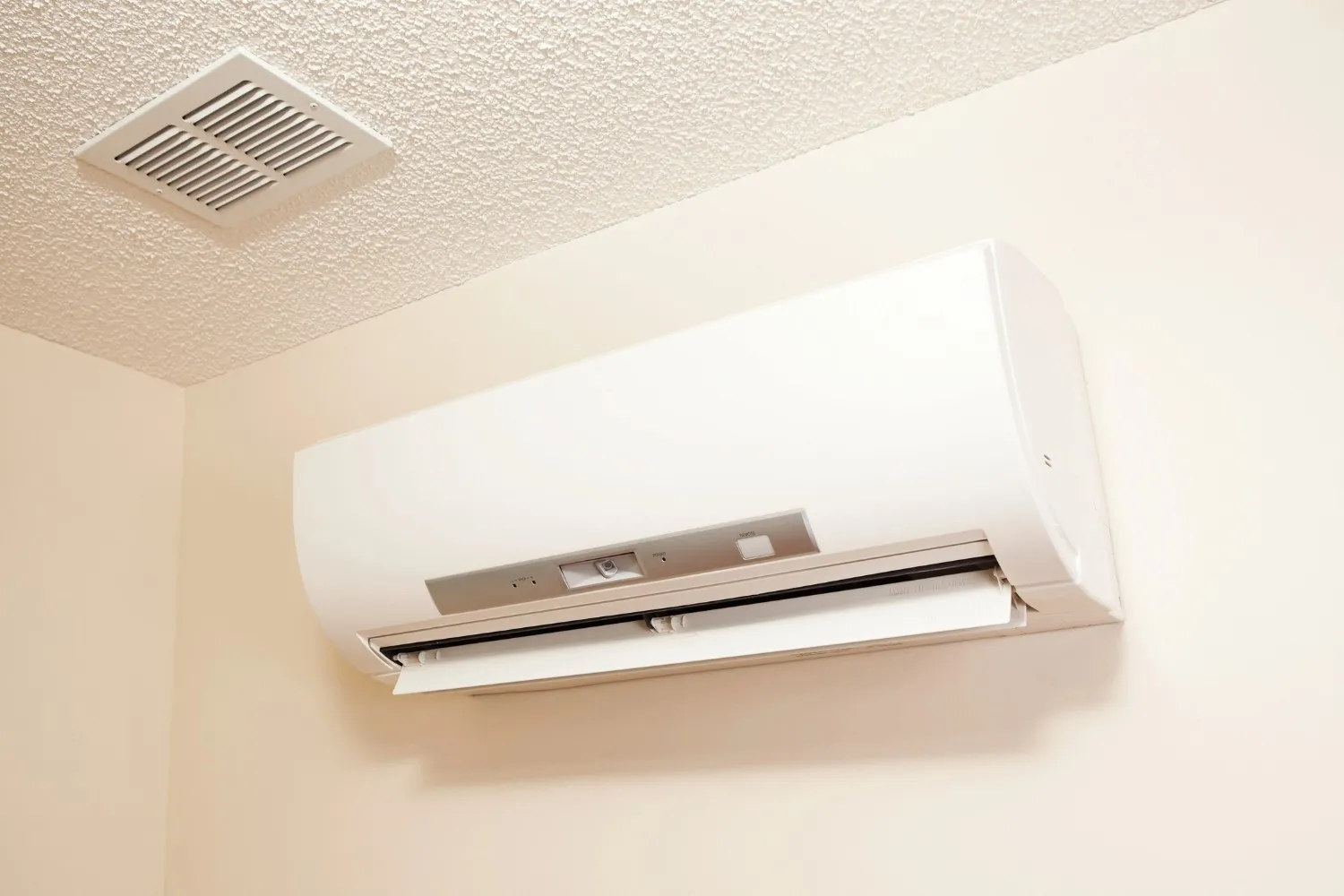
4. Wall- or ceiling-mounted placement
Indoor unit placement balances comfort, aesthetics, and practical constraints:
- Wall-mounted units are ideal for most rooms and provide directed airflow.
- Ceiling or cassette units work better in open-plan areas where floor or wall space is limited.Installers cut a small 2- to 3-inch hole for the refrigerant and electrical conduit and create a secure, sealed pass-through to prevent humidity infiltration.
5. Zoning and thermostat integration
Zoning allows individualized temperature settings:
- Multi-zone systems use separate remote controls or wall-mounted controllers for each head.
- Advanced controls integrate with smart thermostats and home automation for scheduling and remote monitoring.Proper zoning strategy reduces energy use by avoiding overcooling rooms that are seldom occupied.
6. Permit and code compliance
Mini-split installations must comply with the Florida Building Code and any Gadsden County permitting requirements:
- Permits may be required for mechanical, electrical, and structural work.
- Installers verify wind-load requirements for outdoor units and ensure proper anchoring and clearances.
- Documentation of refrigerant handling and system specifications is often part of the permit process.
7. Post-installation testing and system commissioning
A professional commissioning sequence ensures reliable operation:
- Leak testing and evacuation of the refrigerant lines using a vacuum pump.
- Correct refrigerant charging and verification of operating pressures and temperatures.
- Electrical safety checks and verification of proper line-voltage connections.
- Airflow balancing, control programming, and walkthrough with the homeowner to demonstrate operation and maintenance needs.
Typical timelines and what to expect during installation
- Initial consultation and site survey: 1 to 3 days scheduling, 1 to 2 hours on site.
- Permitting time: Varies by project; simple local permits often take a few days to two weeks.
- Installation window: For a single-zone wall-mounted system, expect 3 to 6 hours of on-site work. Multi-zone systems typically require 1 to 2 days, depending on the number of indoor heads and complexity of routing.
- Final testing and commissioning: 1 to 3 hours after mechanical and electrical work is complete.During installation expect a small crew, minimal drywall cutting, and a focus on clean, sealed penetrations. Technicians typically work to maintain cleanliness, protect flooring, and explain user controls once commissioning is finished.
Tips for maximizing mini-split performance in Midway homes
- Ensure correct sizing and refrigerant charge to avoid short cycling and poor dehumidification.
- Place indoor units where airflow is unobstructed and away from direct sunlight or heat sources.
- Maintain clear airflow around the outdoor unit; trim vegetation and elevate the pad if flooding is a seasonal concern.
- Schedule annual maintenance for filter cleaning, condensate drain checks, and refrigerant system inspection.
- Use zoning and programmable schedules to avoid conditioning unoccupied spaces.
- Consider a whole-home humidity strategy if humidity control remains challenging during extended humid periods.
- Protect electrical components with surge protection and consider a dedicated circuit to prevent tripping during peak demand.
Benefits you can expect
A properly installed mini-split in Midway, FL delivers targeted comfort, improved humidity control, quieter operation, and potential energy savings compared to window units or oversized central systems that struggle with humidity. With correct sizing, placement, and code-compliant installation, a mini-split system provides reliable year-round comfort tailored to the unique weather and home styles found in Midway and the surrounding Gadsden County area.
hear what our satisfied clients have to say
.avif)

I have nothing but great things to say about this company! From the initial call to trouble shoot our old system to the installation of the new system. Maya was awesome and patient with us and the bank. Stratton, Wilton, and Austin did the removal and install of the systems and they were professional and proficient. I will be recommending this company to everyone and anyone! Thank you for making this less stressful then it needed to be. I'm very grateful for the help and comfort they have given me and my family.
We’ve had issues with our a/c unit freezing up off and on for a month or so. Aden from Keith Key came out and checked our system out. He fixed an issue with the bypass valve and also tuned our fan. Additionally we also replaced our thermostats with new T10’s. He took his time and helped me connect all of them to the WiFi and the app.Aden is very friendly and knowledgeable. I haven’t had an issue with my system since. He was also willing to accept the assistance of our overly helpful shih tzu. Call Keith Key and Aden for any issues with hvac systems, they can get it fixed!
Tryston was amazing! So knowledgeable, pleasant and respectful. Keith Key H/A will forever have my family's business
We had a tenant with no heat during the recent 29 degree weather. I called Keith Key Heating and Air before office hours and left my infomation with their answering service. I got a call back from the office promptly at 8:00 a.m. They were able to schedule us for service the same day. The technician arrived at noon, diagnosed the issue and made the repair. The price was quite reasonable. Everyone that we dealt with was friendly, professional and knowledgeable. I would highly recommend them and will be using them again in the future. Thanks Keith Key Heating & Air!!
Heat wasn't working after the sleet storm and being without power for 18 hours. Keith Key sent Trystan the same day as my call. He did a great job (very personable) and got it repaired in no time. Many thanks!
Keith Key HVAC is wonderful! They service our HVAC and just helped me with a super stressful heating issue while I was out of state. They are very organized and professional, and take extra time to explain and follow up. I just love them!
We've called on Keith Key Heating and Air twice for help. Both times, they responded quickly, and were able to make repairs quickly. The techs we've dealt with have been friendly, reliable, professional and knowledgeable. And they don't dig in your pocket like some have been known to do. I honestly don't know what more we could ask for. A solid 10 of 10, and we highly recommend.
Had to replace my AC and Heating unit. Keith Key Heating and Air was very helpful in finding the right unit money wise for me. The young men they sent was courteous and knowledgeable. They made sure everything was up to my standards before they left. If you have trouble I would highly recommend them to you.
Keith Key regularly services both our personal home and one of our rental properties! They are good about communicating to us about the condition of the units at the rental property which is such a relief! We have had to call them for 2 emergencies and both times the techs appeared happy to be there helping us despite being on the weekend! 10/10 recommend.
Service Areas